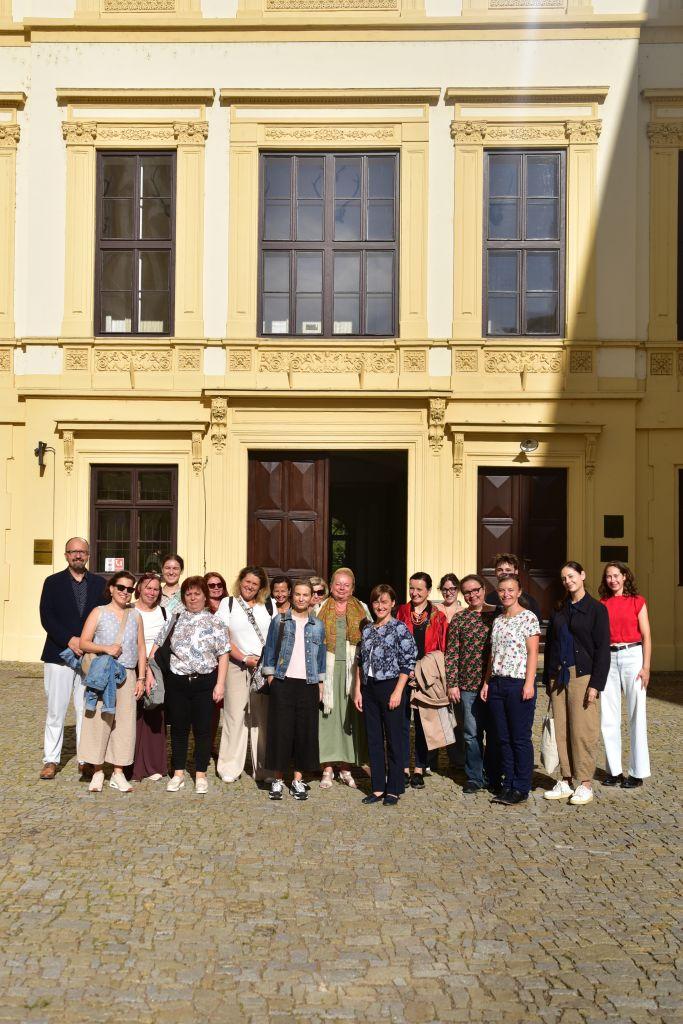

Ve dnech 18. – 20. září 2026 hostil Národní ústav lidové kultury ve Strážnici v pořadí již třetí workshop projektu Oživení lidového umění zemí V4 prostřednictvím rozvoje kreativního průmyslu tentokrát věnovaný tématu modrotisk.
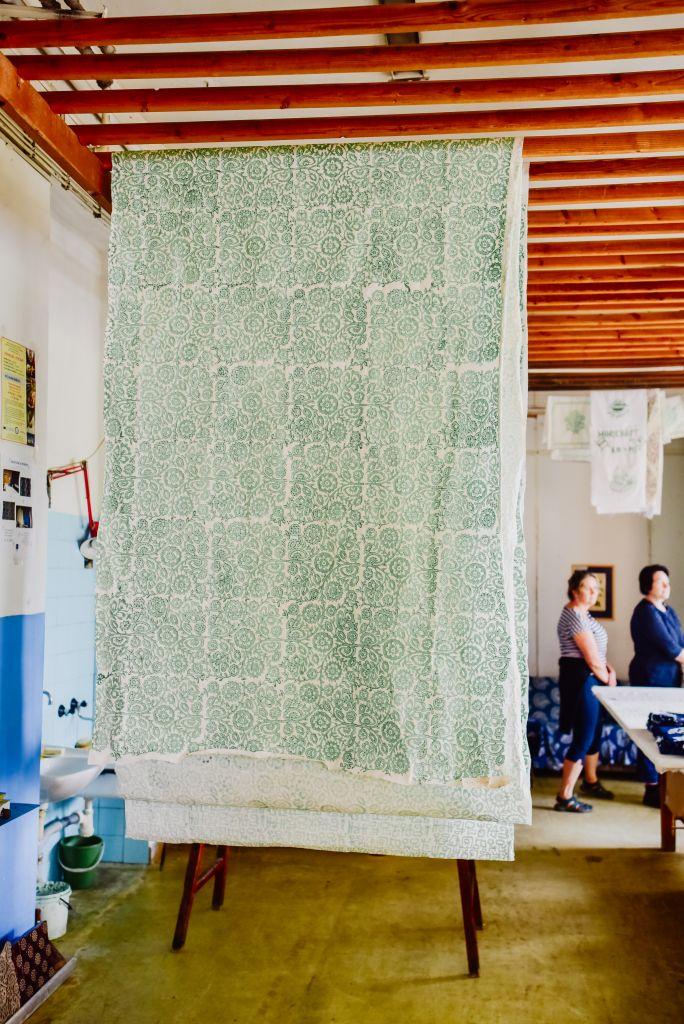
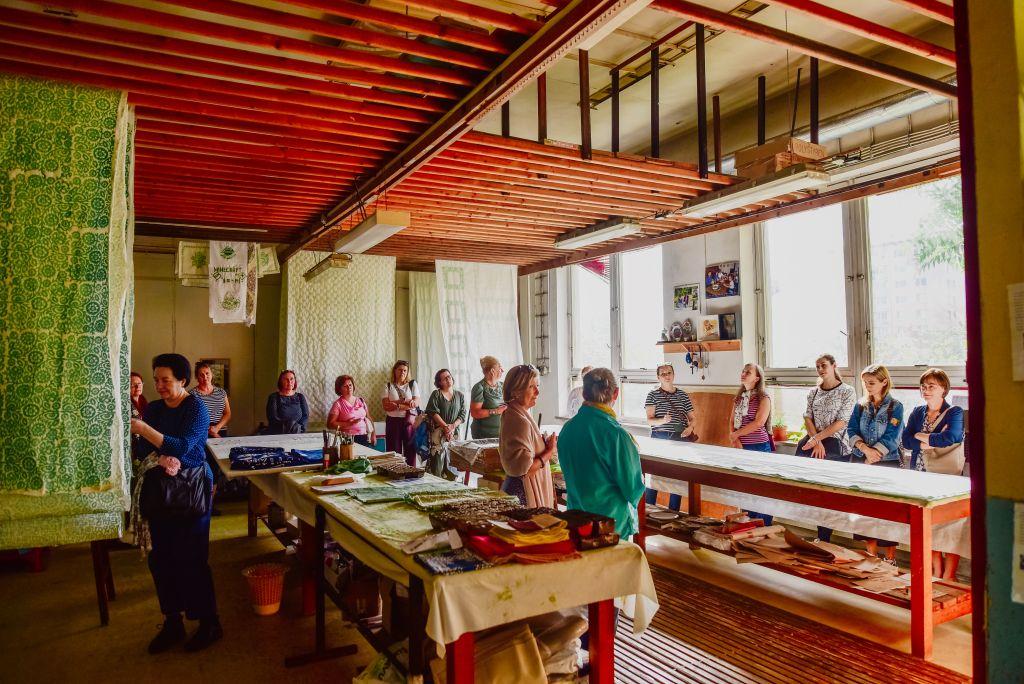
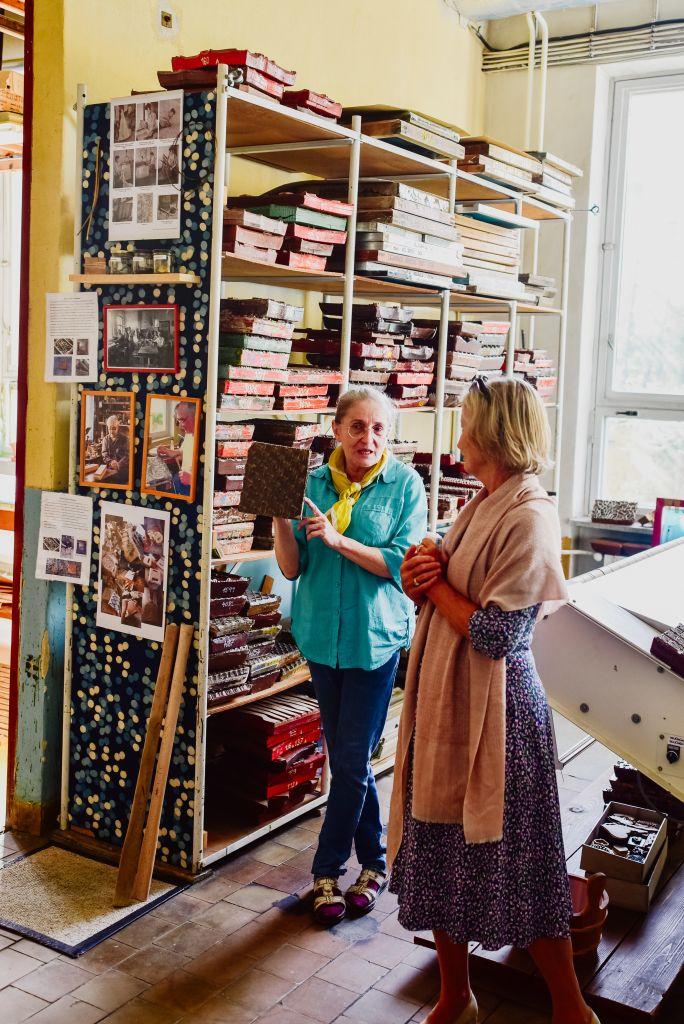
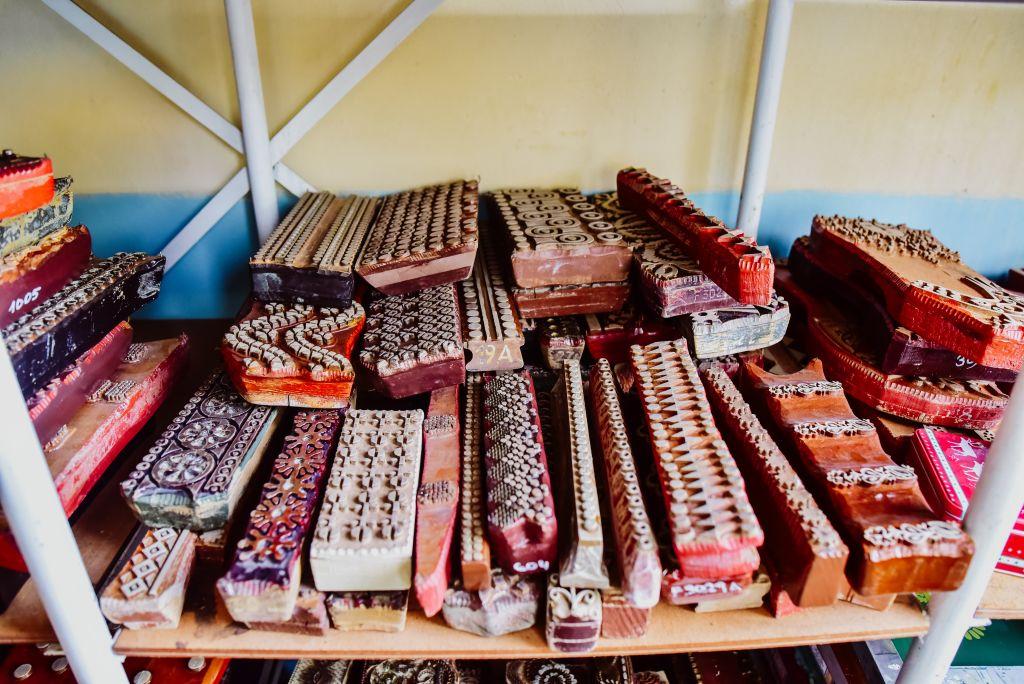
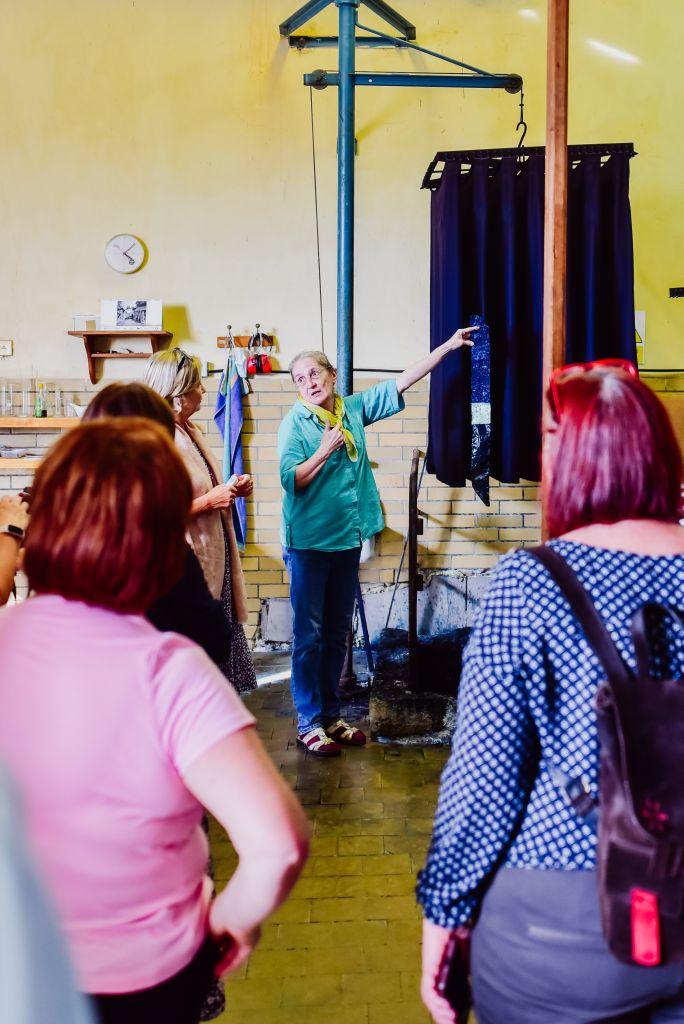
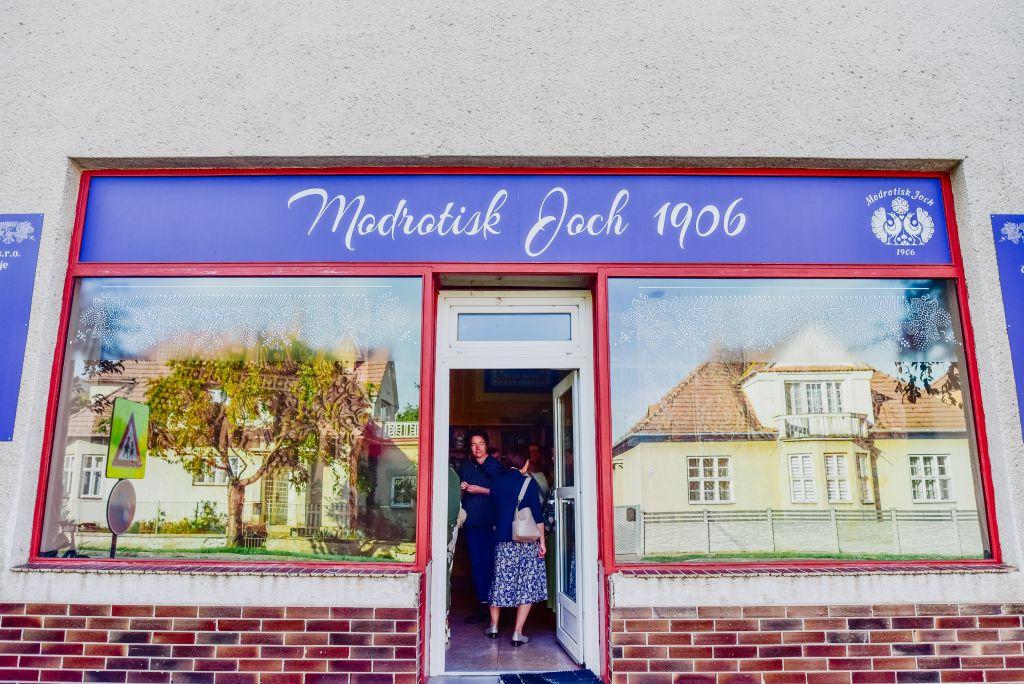
První kroky účastníků vedly do rodinné dílny firmy Arimo ve Strážnici, jež v roce 1906 založil Cyril Joch. V úvodu workshopu se tak všichni obeznámili s tématem formou exkurze, při níž jim byla představena jak historie samotné dílny, tak celý proces barvířské techniky. Základem modrotisku je rezerva (tzv. pop/pap), jež se na plátno nanáší pomocí dřevěných či kovových forem a chrání tak místa, která mají zůstat nezbarvená. Plátno se posléze namáčí do kypu – nádrže zapuštěné v zemi – s indigovou lázní. Charakteristickým znakem modrotisku byla vždy jeho regionální specifičnost, projevující se především aplikací odlišných ornamentálních motivů, Od roku 2018 je tato technologie zapsána do Reprezentativního seznamu nemateriálního kulturního dědictví lidstva (UNESCO).
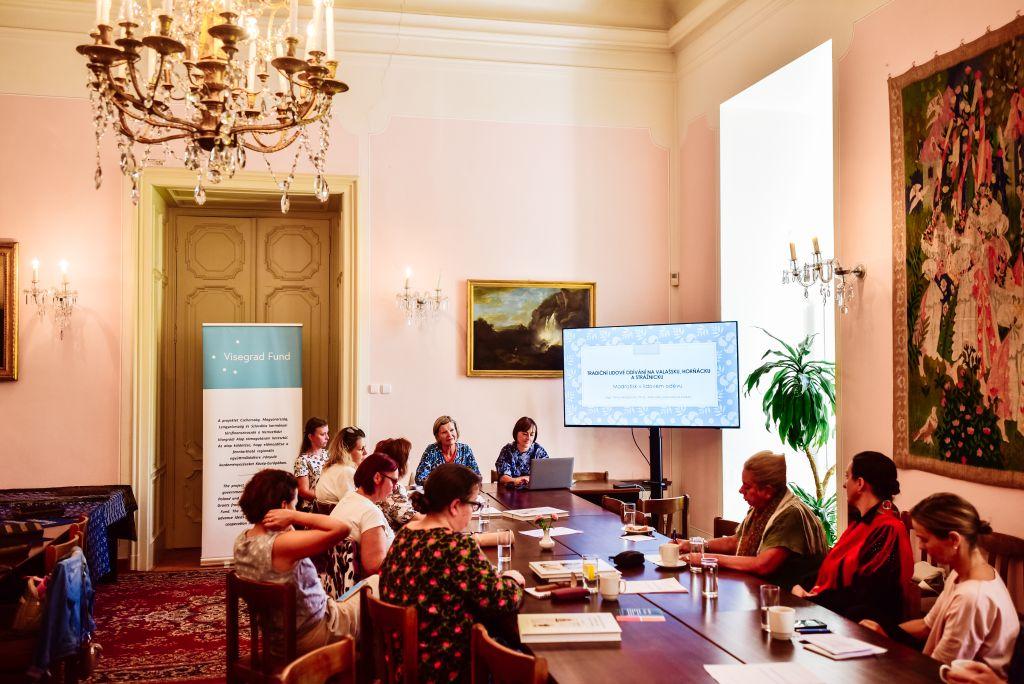
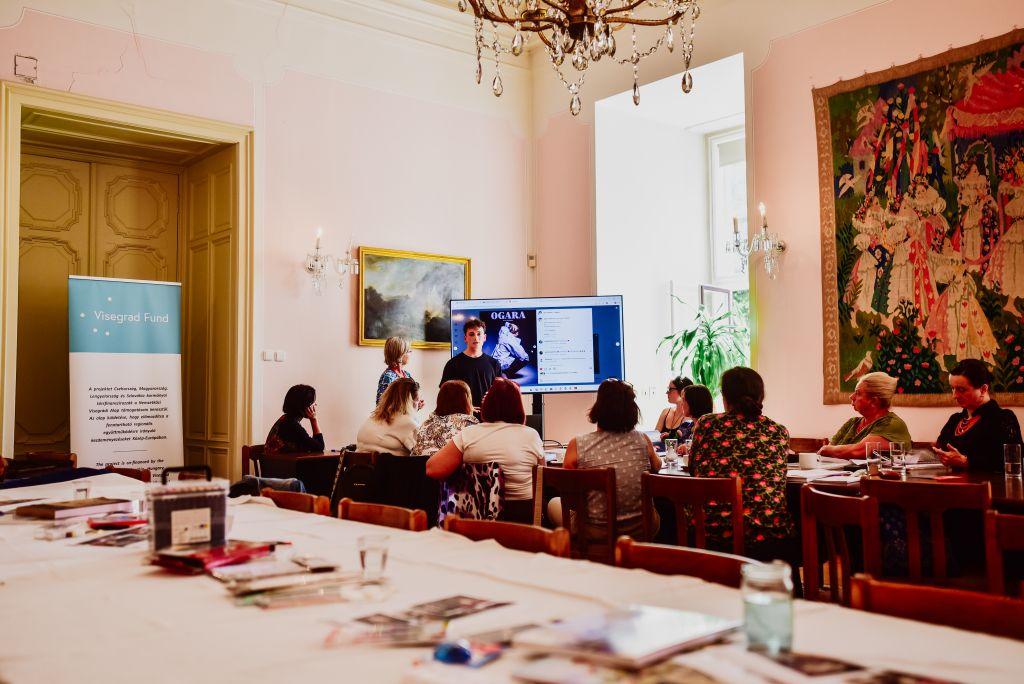
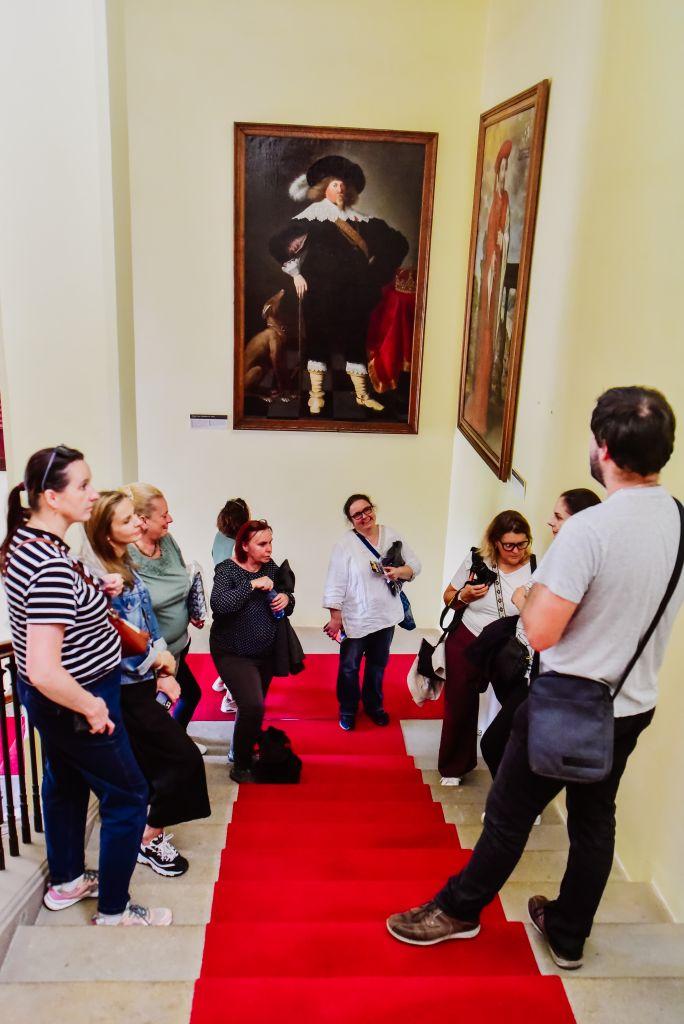
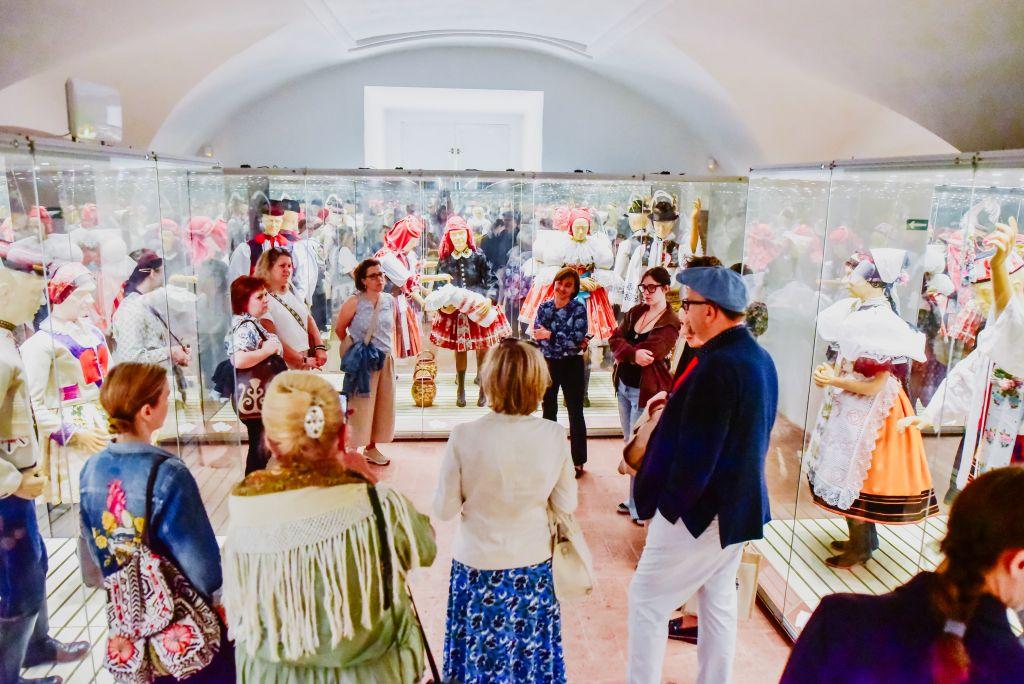
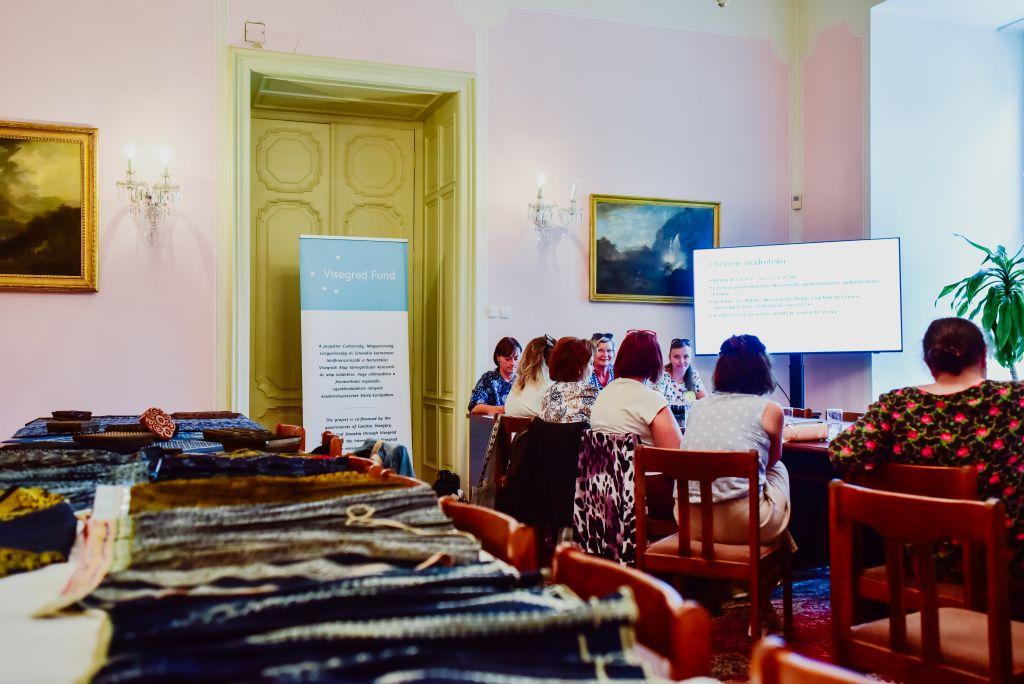
V následujících dnech se program workshopu odehrával na strážnickém zámku, kterým hosty provedl Josef Svoboda. V sobotu delegace oficiálně přivítal ředitel Národního ústavu lidové kultury Martin Šimša, jenž účastníky zároveň provedl výstavou „Lidový oděv na Moravě“. Odbornou část svými přednáškami a prezentacemi zastřešily textilní odbornice Petra Hrbáčová a Lucie Svobodová.
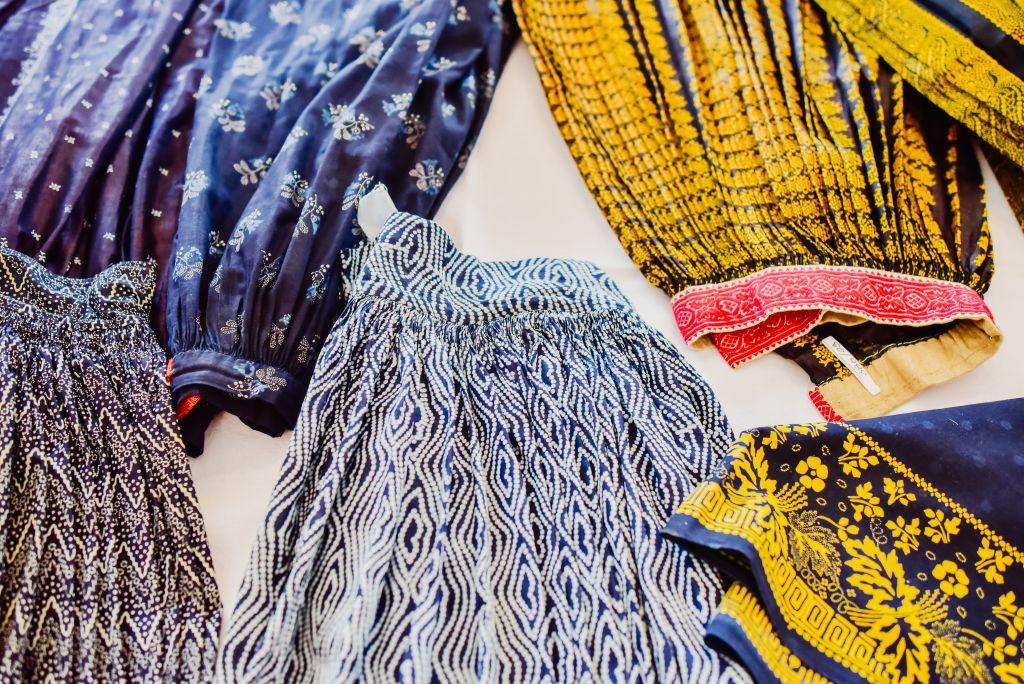
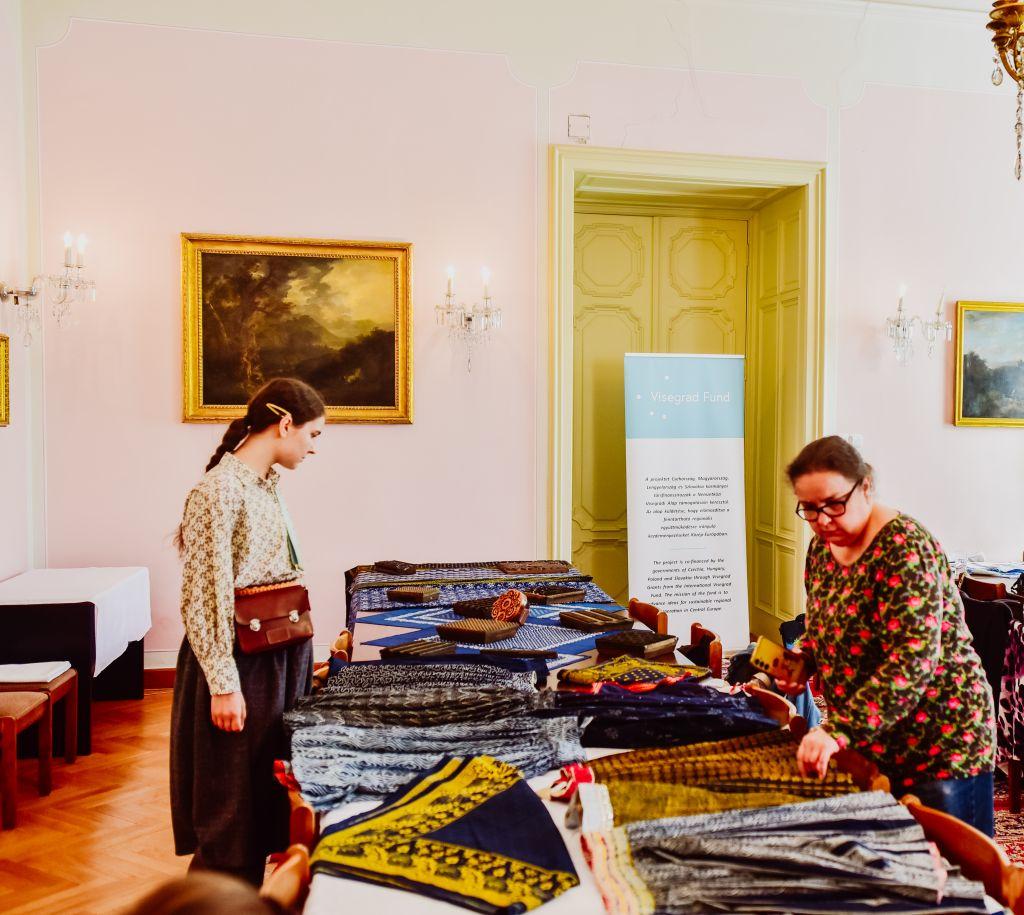
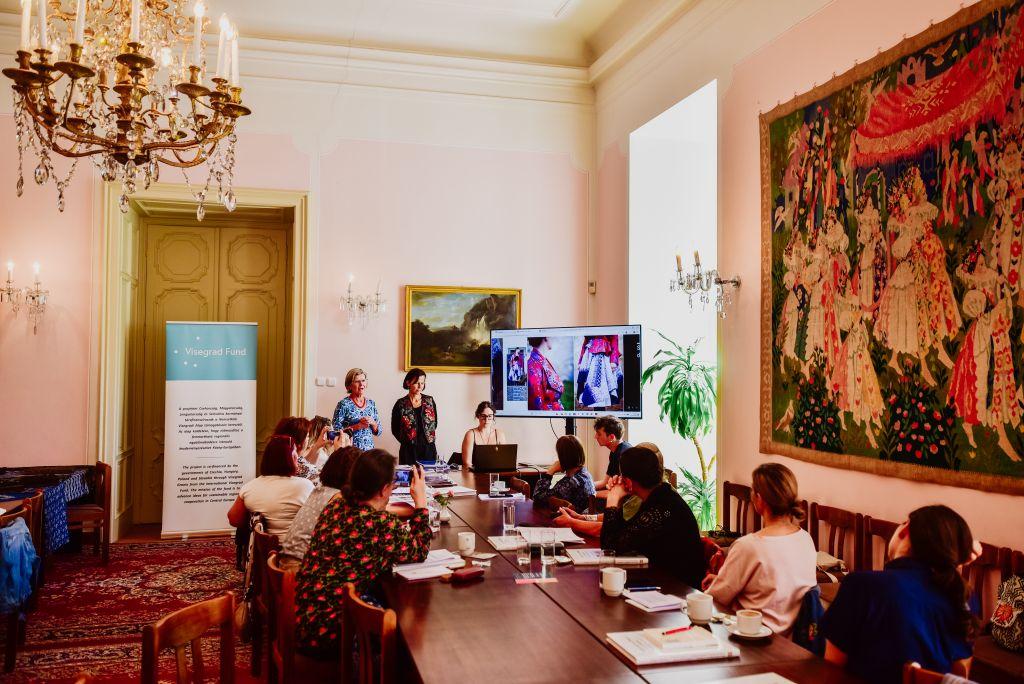
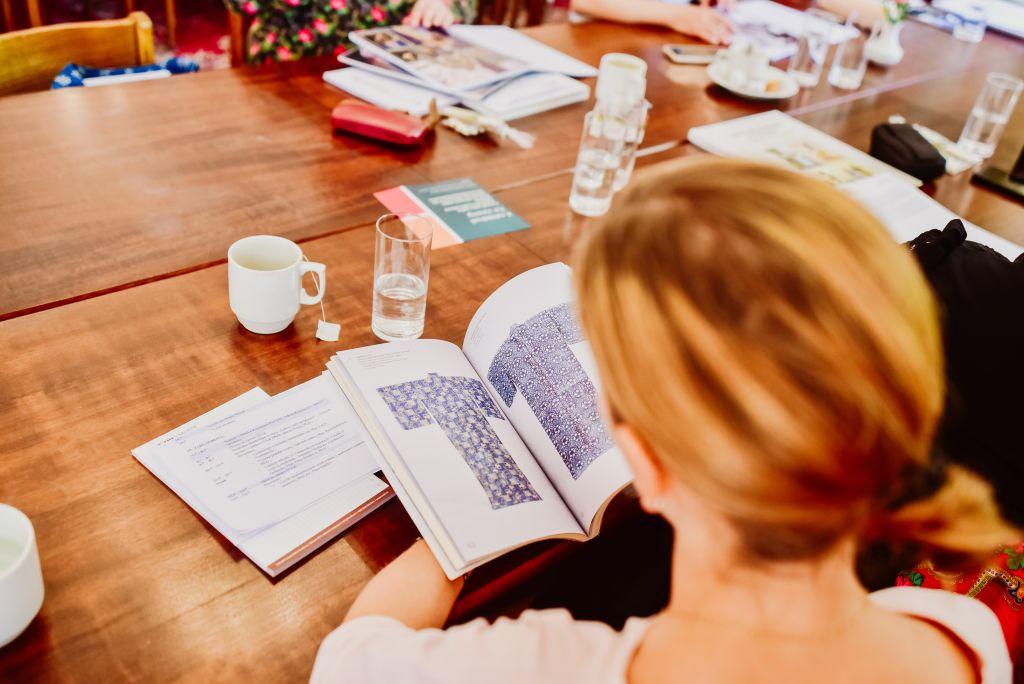
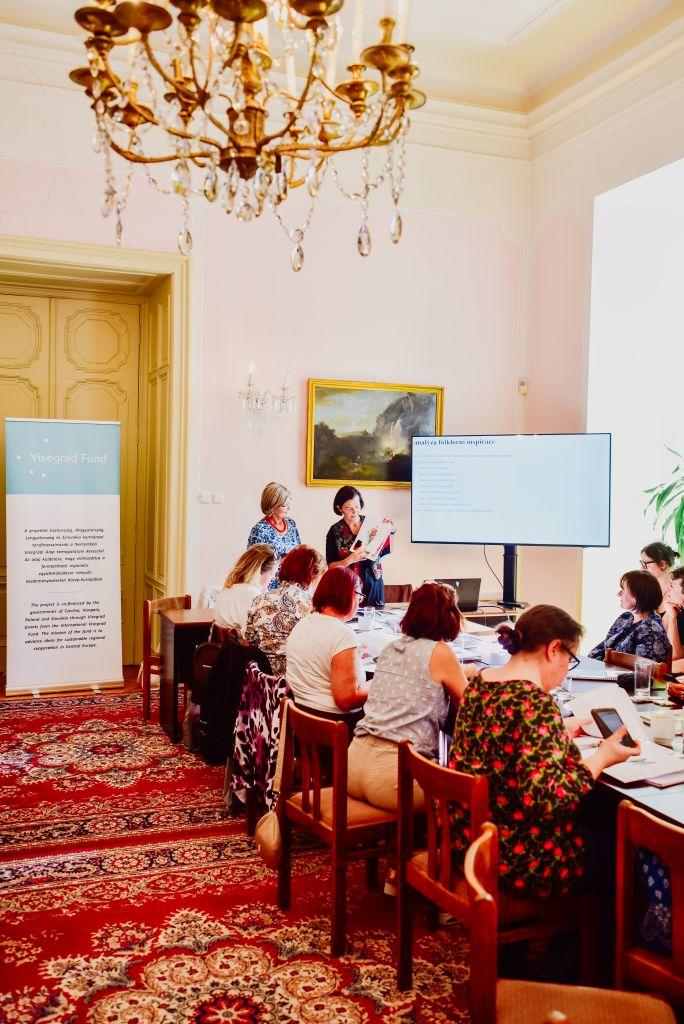
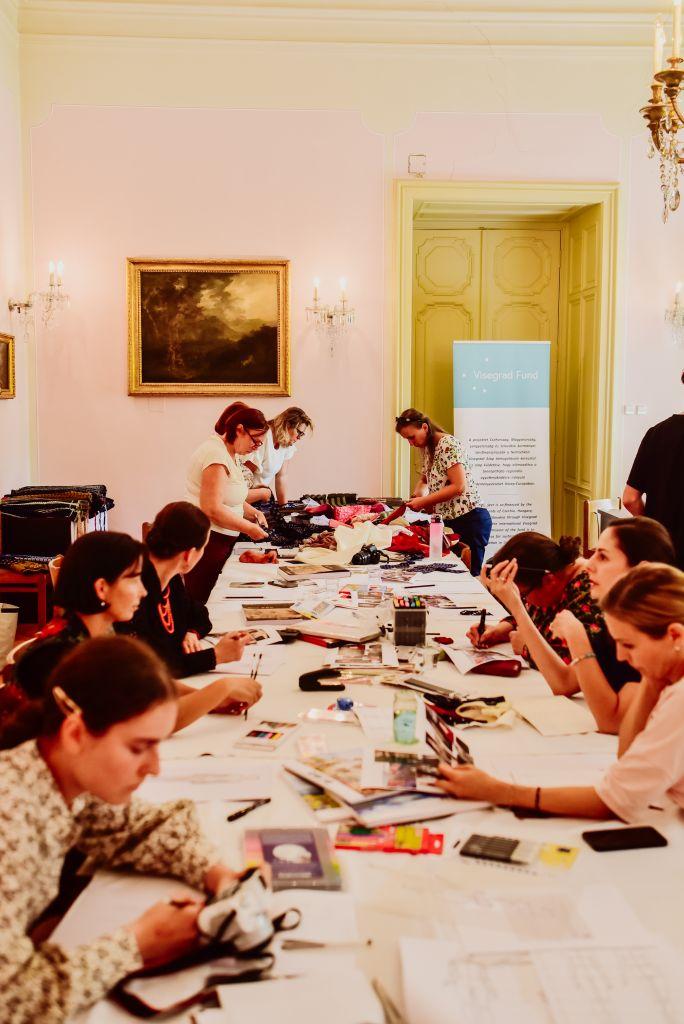
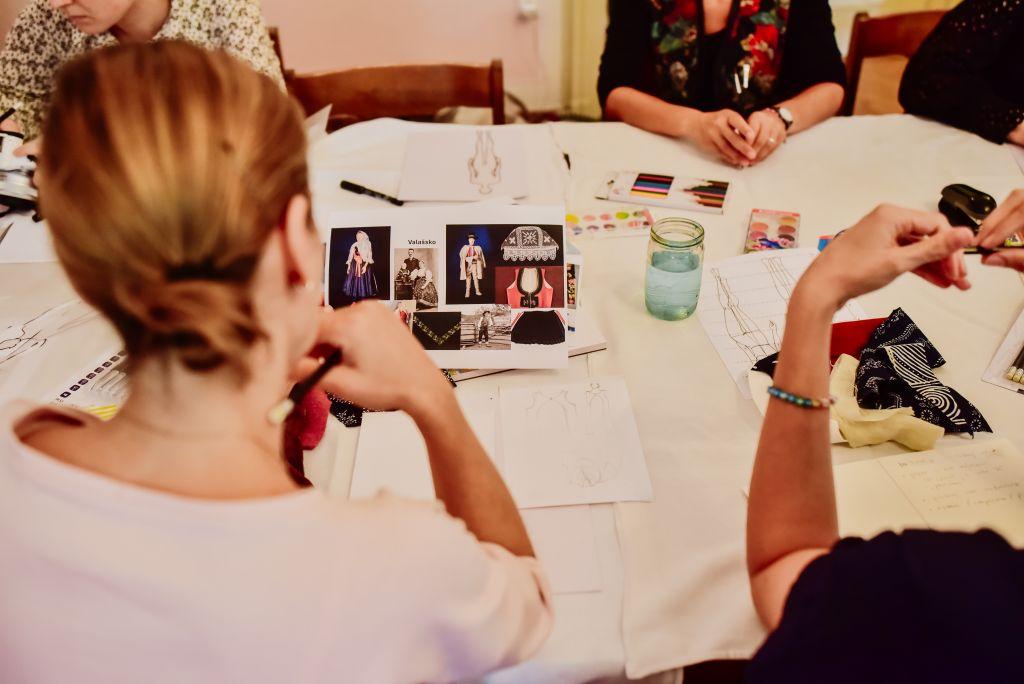
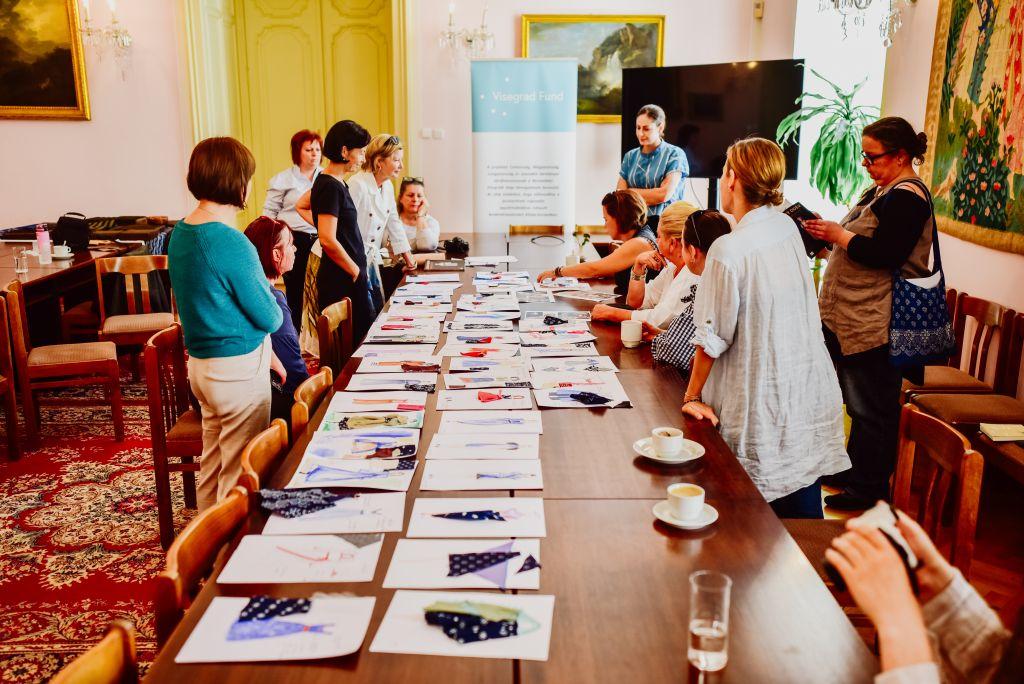
Praktický blok pak lektorovala módní návrhářka a oděvní designérka Petra Graffe, vedoucí oboru design oděvu na Střední uměleckoprůmyslové škole v Uherském Hradišti. Představila jak vlastní autorskou práci, tak i projekty a tvorbu svých studentů, které k práci s lidovým oděvem vede. Účastníci se ve svých návrzích inspirovali zejména vzory z modrotiskových forem a tvaroslovím lidového oděvu ze tří vybraných regionů, kde se modrotisk tradičně uplatňuje, a to Valašsko, Horňácko a Strážnické Dolňácko. Během tvorby měli navíc možnost pracovat přímo s modrotiskovou látkou.
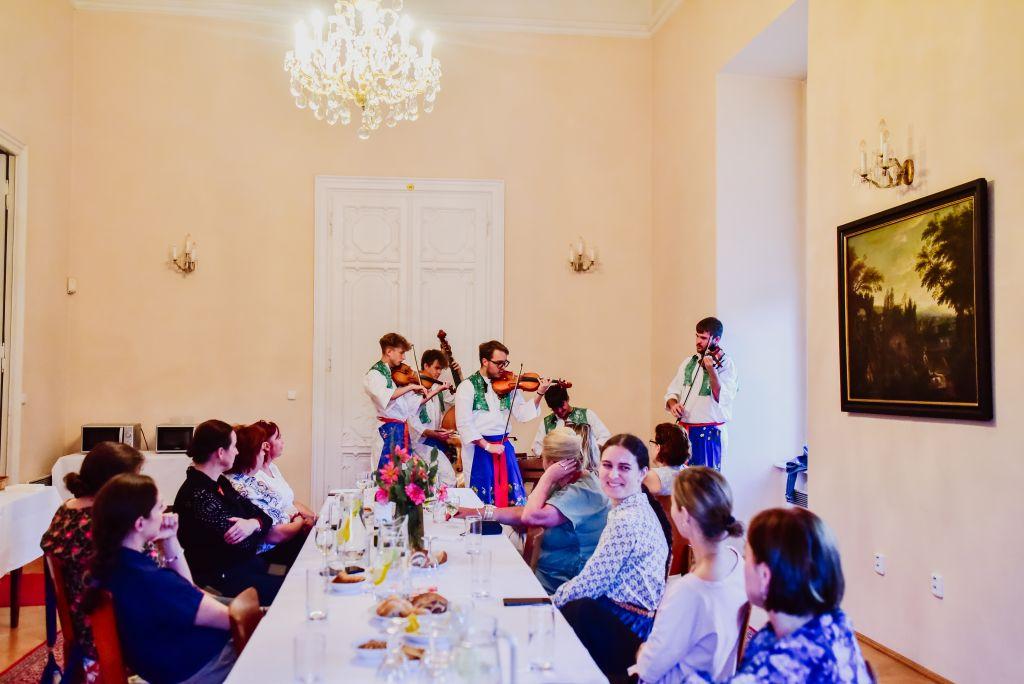
Příjemným zpestřením programu se stal společenský večer s Cimbálovou muzikou Vojšica ze Strážnice. Tečkou za celým workshopem pak byla návštěva populárně-naučného programu „Podzim na dědině“ v Muzeu vesnice jihovýchodní Moravy ve Strážnici.
From 18 to 20 September 2026, the National Institute of Folk Culture in Strážnice hosted the third workshop in the ‘Revitalisation of Folk Art in the V4 Countries through the Development of the Creative Industries’ project, this time dedicated to the theme of blueprinting.
The participants’ first stop was the family-run Arimo workshop in Strážnice, founded in 1906 by Cyril Joch. At the start of the workshop, everyone familiarised themselves with the topic through an excursion, during which they were introduced to both the history of the workshop itself and the entire dyeing process. The basis of blueprinting is the resist (known as ‘pop’ or ‘pap’), which is applied to the fabric using wooden or metal stencils, thereby protecting the areas that are to remain uncoloured. The fabric is then soaked in a ‘kyp’ – a tank sunk into the ground – containing an indigo bath. A characteristic feature of blueprinting has always been its regional specificity, manifested primarily through the use of distinct ornamental motifs. Since 2018, this technique has been inscribed on the Representative List of the Intangible Cultural Heritage of Humanity (UNESCO).
Over the following days, the workshop programme took place at Strážnice Castle, where Josef Svoboda gave the guests a guided tour. On Saturday, the delegation was officially welcomed by Martin Šimša, Director of the National Institute of Folk Culture, who also guided the participants through the exhibition ‘Folk Costume in Moravia’. The academic part of the programme was led by textile experts Petra Hrbáčová and Lucie Svobodová through their lectures and presentations.
The practical session was then led by fashion designer and clothing designer Petra Graffe, head of the clothing design department at the Secondary School of Applied Arts in Uherské Hradiště. She presented both her own original work and the projects and creations of her students, whom she guides in working with folk clothing. In their designs, the participants drew inspiration primarily from blueprint patterns and the stylistic features of folk clothing from three selected regions where blueprinting is traditionally practised: Wallachia, Horňácko and Strážnické Dolňácko. During the creative process, they also had the opportunity to work directly with blueprint fabric.
A social evening featuring the Vojšica cimbalom band from Strážnice provided a pleasant highlight of the programme. The workshop concluded with a visit to the popular educational programme ‘Autumn in the Village’ at the Museum of the Village of South-East Moravia in Strážnice.
Fotogalerie