

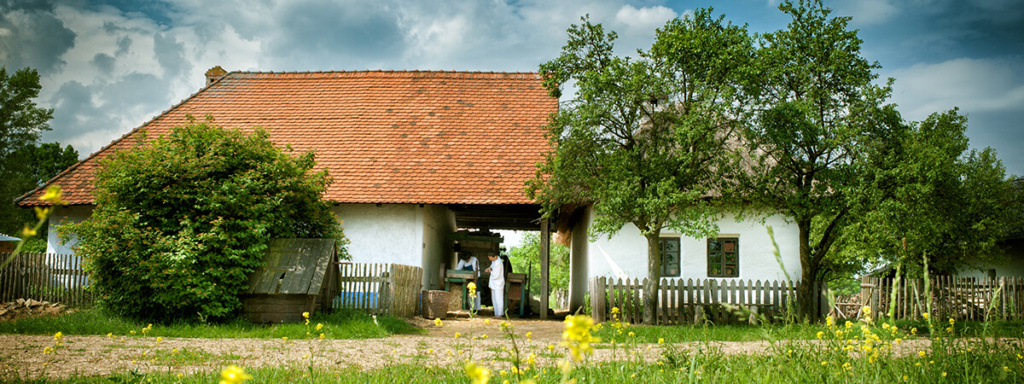
Visit a place where history comes alive and the air heals. The Museum of Southeast Moravian Village (Strážnice Open-Air Museum) presents folk architecture from significant microregions of Slovácko from the 17th to 19th centuries. Both outdoor and indoor exhibitions are arranged to reflect the way of life of our ancestors. The museum in Strážnice was built between 1973 and 1981.
The Strážnice Open-Air Museum is here for your education and entertainment. You’ll find more than sixty interesting objects spread over 16 hectares in a beautiful and peaceful environment. These include the area of buildings from Moravian Kopanice, the area of buildings from Luhačovice Zálesí, the area of water technical structures, the area of meadow management, and the area of buildings from Horňácko.
The Strážnice Open-Air Museum has its own website, where you can find all information about the museum and events held in the area.
• folk architecture from the 18th century • demonstrations of original construction techniques • folk crafts, traditional agriculture, and animal husbandry • history and development of viticulture • original crop varieties • programs for children • themed events
Main building of NIFC
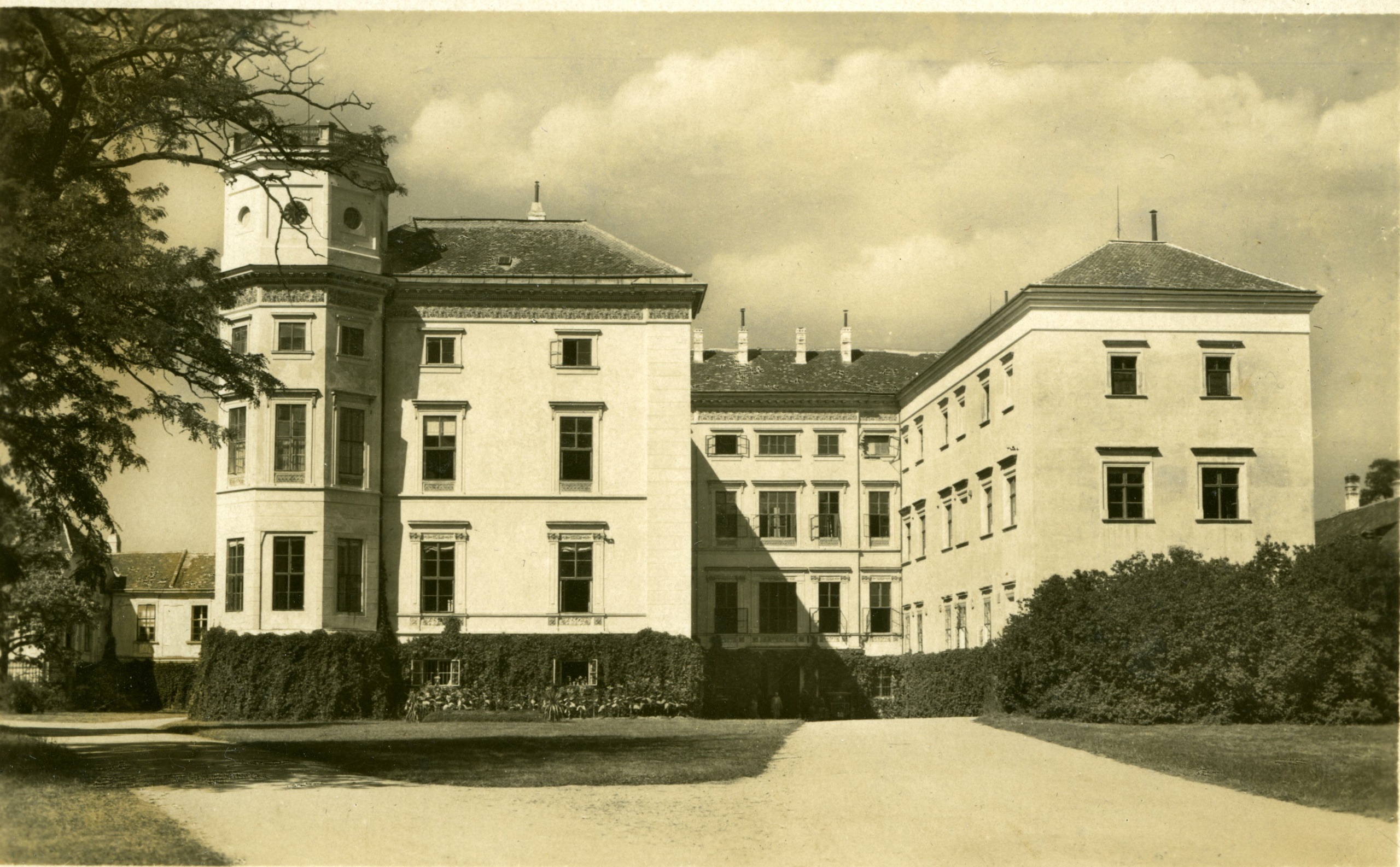
The ornament of the town of Strážnice is a castle surrounded by an extensive park. However, it acquired its current neo-Renaissance appearance with classical elements only in the mid-19th century.
In the areas accessible to the public, visitors can view the historical library, which contains 13,000 volumes of books. The permanent exhibition “Folk Music Instruments in the Czech Republic“, the only one of its kind in Central Europe, is currently closed due to reconstruction. It will be possible to view it again from the 2022 season. Other interiors in the castle are also being gradually renovated, with the castle chapel featuring a historically valuable altar being the most recently opened to visitors. Many visitors will surely be interested in the annually changing exhibitions in the castle gallery. The spaces of the pink, green, and yellow salons are used for concerts and other cultural programs.
Originally, a fortress stood on the site of the castle as a guard post on the Moravian-Hungarian border. This is where the name of the later town of Strážnice comes from. Before the original so-called water castle became a representative residence, the estate went through a rich history.
The oldest mentions date back to the 14th century, when the first owners – the Lords of Kravař – are mentioned. They carried out the first reconstruction of the original fortress and around 1450 built the western wing of the castle. Part of the rampart with the Gothic Black Gate has been preserved from the fortifications to this day. Significant owners from 1501 were the Žerotín family, who added the eastern and connecting northern wing to the castle, decorated with Renaissance arcades.
After the Battle of White Mountain, the Magnis family became the last owners of the Strážnice estate. They were responsible for the current appearance of the castle and for the establishment of an extensive English park, where they had exotic tree species brought in. To this day, Strážnice boasts a beautiful plane tree alley, reportedly the longest in Central Europe.
Today, the castle is the seat of the National Institute of Folk Culture, which, among other things, also manages heritage sites, not only of the castle but also of the castle park and the Museum of Southeast Moravian Village known as the Strážnice Open-Air Museum.


The park is freely accessible to the public.
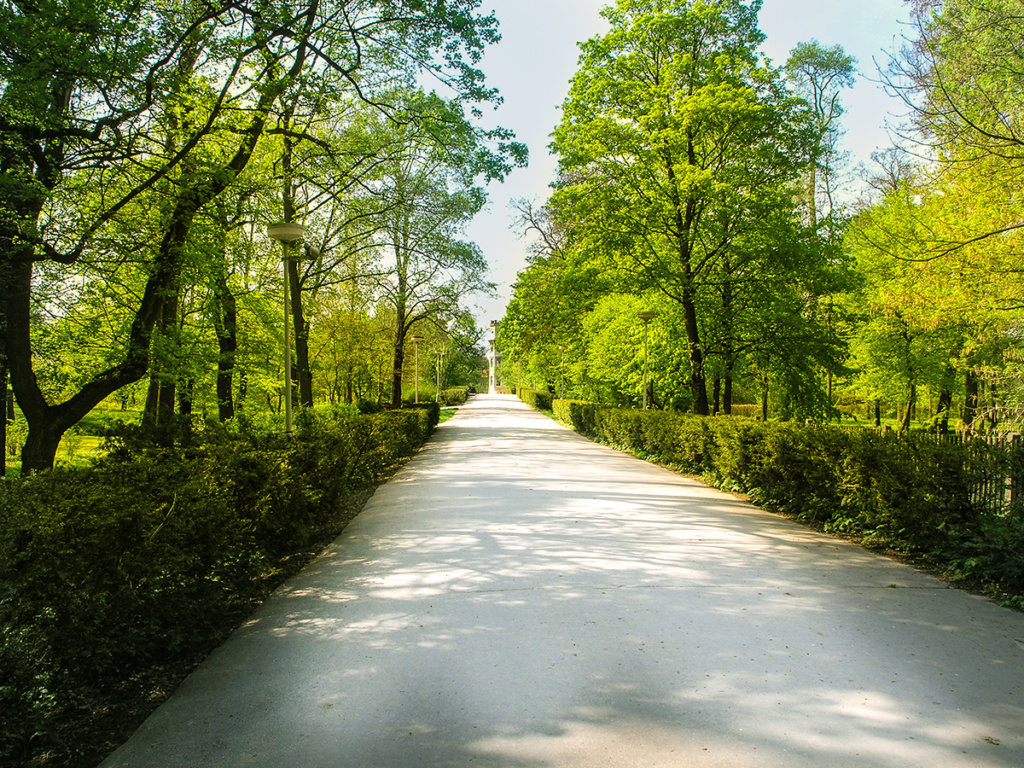
Count František Antonín Magnis (1777 – 1848) was a lover of arts and sciences, and it is to him that we owe the current appearance of the castle park with its system of waterworks, especially in the part called Bludník. The plane tree alley, consisting of 52 trees, which is the largest collection of plane trees in the Czech Republic, is definitely worth a visit. It was planted in the mid-19th century along the carriage road originally leading to the castle in Hodonín. The largest plane tree has a circumference of 480 cm and is about 200 years old. However, the mightiest tree in the castle park is a protected black locust with a trunk circumference of 590 cm, estimated to be over 200 years old.
The Strážnice park can be divided into three basic parts. The area surrounding the castle building with the so-called Purkrábka, the Black Gate, the entrance area, and the castle amphitheater is the main part and historically and semantically the most important. It is adjoined by former administrative buildings, a significant plane tree alley, and some valuable tree species. It ends at the so-called Baťa Canal and is connected by a bridge to other parts. Around Špaček’s pond lies the part that formerly comprised the so-called English garden. It is characterized by remnants of interesting tree species and a brick bridge with arched sluices connecting the pond with another water surface. The Ostrůvek amphitheater and summer cinema are located here. This part is immediately adjacent to the gardening area, which, especially in the earlier developmental stages of the garden and park, was an important part of the whole, and where the cultivation of the most emphatic horticultural cultures and crops was concentrated. The most extensive and historically youngest part of the park is the area called Bludník. It is typified by a round pond with an islet, remnants of the rarest tree plantings, relatively large meadow areas, opening views into park growths and into the open countryside. This part is separated from the English garden by the Castle Alley, which has always formed the main park axis, extending far beyond its borders. In this part stands the Alley of Sighs, near which the Chapel of the Virgin Mary is situated. There is also the Bludník amphitheater.